8 Mistakes First-Time Alaska Cruisers Make(And How to Avoid Every One of Them)
- 2 days ago
- 9 min read
By Dawn Knoblock, Cruise Specialist | Cruisin Couple Travel Agency

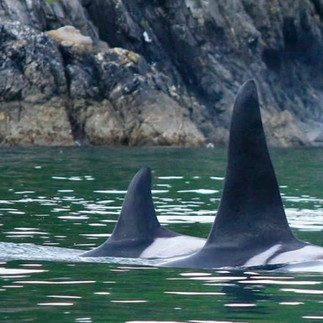
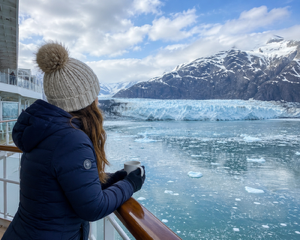


Alaska cruising has officially crossed over from dream trip to bucket list staple. What was once considered a niche adventure for hardcore nature lovers has become one of the most sought-after travel experiences in the world. Every summer, hundreds of thousands of travelers set sail for Alaska, and the demand keeps growing year after year.
It has become multigenerational. Grandparents who once called it their dream trip are now returning with adult children and grandchildren in tow. First-timers are flying in from every corner of the country, inspired by glacier photos and whale-watching videos filling their social feeds. The demand is real, the excitement is justified, and Alaska absolutely delivers.
But Alaska is not the Caribbean. It is not a beach cruise. And the guests who show up unprepared often leave wishing they had done just a few things differently. I was born and raised in Alaska and have spent over 30 years exploring this state, and I have been helping clients experience it from the deck of a cruise ship for years. Here are the eight most common mistakes first-time Alaska cruisers make, and exactly how to avoid them.
1. Booking Too Late and Missing the Best Itineraries
Alaska's cruise season runs from May through late September, with June through August being the peak window. That is a narrow runway compared to year-round destinations like the Caribbean, and the most desirable sailings, cabins, and itineraries fill up fast.
If you are dreaming about a specific ship, a particular departure date, or a stateroom with a prime view, the time to book is not six months out. It is closer to 12 to 18 months in advance. The best itineraries, including those that include Glacier Bay National Park or a cross-Gulf segment starting in Seward or ending in Vancouver, have limited availability. Waiting means settling. Book early and book intentionally.
2. Flying In on Embarkation Day
This one keeps me up at night. I cannot count the number of times I have heard stories of travelers who booked a 7 a.m. flight on sailing day, hit a delay, and watched their ship leave without them.
Alaska's major embarkation ports, including Seattle, Vancouver, and Whittier, are not immune to weather disruptions, flight cancellations, or the chaos that comes with peak summer travel. The solution is simple: fly in the day before. Spend a night in your departure city, arrive rested, and board with zero stress. A pre-cruise hotel night is a small investment that protects everything else you have planned and paid for.
This is not optional advice. It is the single most important logistical decision you will make
3. Choosing the Wrong Side for Your Cabin
This is one of those insider tips that sounds minor until you realize you missed the glacier because your balcony faced open ocean all week.
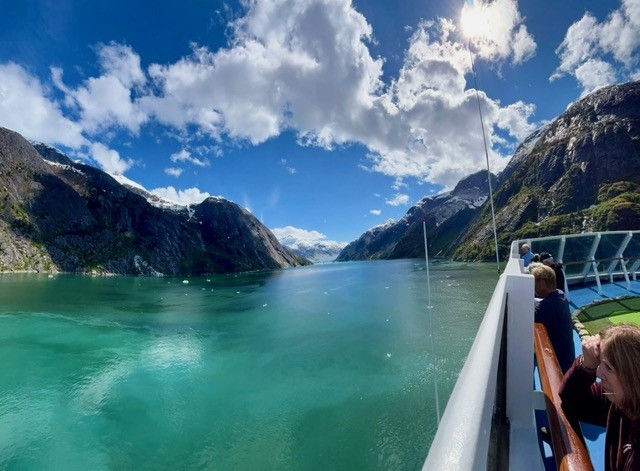
On a classic Inside Passage itinerary sailing roundtrip from Seattle or Vancouver, the port side of the ship (left side when facing the bow) generally offers the better views heading north. On a one-way northbound itinerary, you will want to research the specific route. For sailings that include Glacier Bay or Tracy Arm, the glacier views shift depending on when the ship maneuvers in those areas. This is exactly the kind of detail your travel advisor should walk you through before you book. Cabin placement matters in Alaska more than almost any other destination in the world.
4. Not Factoring In Port Times When Choosing Your Cruise
Port time is not something most first-timers think to compare when shopping for an Alaska cruise, but it should be near the top of your list. More time in port means more time to experience Alaska, and that difference can be dramatic from one cruise line to the next.
Here is something most travelers do not realize: cruise lines earn seniority at Alaskan ports based on their history and booking commitments in the region. Lines with greater seniority often secure longer port stays and better docking positions, meaning you step off directly onto the pier rather than waiting for a tender boat to shuttle you ashore. A prime dock location saves time and opens up more of the port for exploration. A shorter stay or an anchor-and-tender situation can easily cost you an hour or more of your day.
When comparing itineraries, look beyond the list of ports and pull up the actual arrival and departure times for each stop. A sailing that shows Juneau as a port call means very little if your ship arrives at noon and sails at five. Contrast that with a cruise line that docks at seven in the morning and gives you a full ten-hour day. That difference is everything in a port like Juneau, where you might want to take a helicopter to the Mendenhall Glacier, grab fresh Dungeness crab on the waterfront, and still have time to browse the shops downtown.
Before you finalize any booking, review the port schedule carefully and ask your travel advisor which cruise lines consistently offer the longest port times and best docking positions on the specific itinerary you are considering. In Alaska, more time ashore is never wasted.
5. Planning Port Days That Exhaust You
Alaska is not a destination where you want to overdo it. I see guests try to pack flightseeing, whale
watching, glacier hiking, and a dog sled demonstration into a single port day, only to return to the ship completely depleted and too tired to enjoy the scenic cruising that evening.
Pick one or two meaningful experiences per port and savor them. Alaska rewards presence. A single helicopter landing on a glacier or a small-boat whale-watching excursion done well will stay with you far longer than a rushed itinerary you barely remember. This trip is a marathon, not a sprint. Pace yourself and let Alaska breathe.
6. Underestimating Your Budget for Shore Excursions
Alaska excursions are among the most logistically complex and expensive in the cruise world, and for good reason. Getting you to a glacier by helicopter, into the backcountry by floatplane, or out to open water on a whale-watching charter requires serious resources. Pilots, naturalist guides, specialized equipment, permits for sensitive wilderness areas, and tight weather windows all factor into the cost.
A helicopter glacier excursion can run $400 to $600 per person. Small-boat whale-watching tours in Juneau or Sitka often start around $150 to $200 per person. Dog sledding experiences and flightseeing tours can reach well above $300 per person. If you budget for Alaska like you budget for a Caribbean port day, you will find yourself making difficult choices dockside.
Plan your excursion budget before you sail. Know what you want to experience and set aside what it truly costs. Alaska is worth every penny when you are prepared for it.
7. Waiting Too Long to Book Excursions
Most cruise lines open excursion booking approximately 12 months in advance. The best ones, meaning the small-group glacier hikes, the limited-seat flightseeing tours, the bear-viewing expeditions, and the premier whale-watching charters, sell out quickly. By the time many guests think to look, those spots are already gone.
Whether you are booking through your cruise line or independently, get your excursions on the calendar early. Work with your travel advisor to prioritize what matters most to you and lock those experiences in. Scrambling at the dock to find something available on a peak summer day in Juneau is not the Alaska experience you envisioned.
A note on independent excursions: they can be a wonderful option, but your advisor can help you evaluate the trade-offs, including ship liability policies and timing risks if something runs late. Always route excursion booking conversations through someone who knows Alaska well.
8. Not Dressing for Alaska
I grew up in Alaska. I cannot stress this enough: pack for Alaska, not for a cruise vacation in general. Even in July, temperatures in Southeast Alaska regularly hover in the 50s and low 60s Fahrenheit. It rains. It gets windy on the water. The ship's deck during scenic glacier cruising can feel shockingly cold. And if you book an outdoor excursion, you will be outside in all of it.
At minimum, every Alaska cruiser needs a quality water-resistant jacket. Not a fashion layer, not a light packable windbreaker, but something that will actually keep you dry when the rain rolls in sideways off the water. If you are planning a fishing charter, a wilderness hike, a kayaking excursion, or any kind of backcountry adventure, step it up to a fully waterproof jacket and pants. You may not need a full rain suit every day, but if you are heading into the Alaskan wilderness or out on the open water, better to be prepared and not need it than to be soaked through an hour into your excursion. Round out your packing with moisture-wicking base layers, wool or thermal socks, and sturdy waterproof hiking shoes or boots.
Bring layers you can add or remove throughout the day. Leave the flip flops and sundresses in your closet. Dress for the state you are visiting, not the ship you are boarding.
Final Thoughts
An Alaska cruise is genuinely one of the great travel experiences available to us. The scale of the
wilderness, the wildlife, the glaciers, and the culture of Alaska's coastal communities is unlike anything else in the world. The demand reflects that. Over 1.3 million people chose Alaska by cruise ship in 2024, and that number continues to climb. Families are making it their once-in-a-generation journey together.
And it absolutely delivers, when you show up prepared.
Book early. Fly in the night before. Know your port times. Budget honestly. Dress for the weather. And work with an advisor who has not just studied Alaska, but has actually lived it.
I have fished the rivers and streams, hiked the mountains, and driven roads that most people will never see. I have hauled in pots of crab and shrimp, slept under a sky so full of stars it takes your breath away, and watched the northern lights dance overhead. I have experienced the magic of the midnight sun and endured the long, cold, dark winters that make you appreciate every single summer day. I have woken up to moose and bear in my front yard, stood on the starting line of the Iditarod, and explored this state in ways that go far beyond any guidebook. Alaska is not just a destination I sell. It is home.
When you are ready to plan your Alaska cruise, I would love to help you every step of the way and share a few insider tips that only come from a lifetime of living it.
Dawn Knoblock is a Cruise Specialist with Cruisin Couple Travel Agency, born and raised in Alaska with over 30 years of personal experience in the state. She specializes in Alaska cruises as well as ocean, river, and expedition sailings worldwide.
1. When is the best time to cruise Alaska?
There is no single perfect month, and I tell every client the same thing. It depends on what matters most to you. Mid June through July brings the warmest temperatures, the longest daylight hours, and the best whale activity, but it is also peak season, so expect higher prices and busier ports. May and early June offer lower fares, quieter towns, and blooming wildflowers, though the weather is cooler. Late August and September bring dramatic fall colors, thinner crowds, and even a real chance to catch the Northern Lights on a clear night. I always ask my clients what they value most, weather, wildlife, budget, or peace and quiet, and build the itinerary around that answer.
2. How much does an Alaska cruise actually cost?
For a typical 7 night sailing, an interior cabin can start around 650 to 1,800 dollars per person, while a balcony cabin, which I highly recommend for the scenery, generally runs 1,200 to 3,500 dollars per person. Prices swing significantly based on cruise line, cabin category, and whether you sail during shoulder season or peak summer. This is exactly why booking early, often 12 to 24 months out, matters so much. It protects you from the price increases that come as cabins fill up.
3. Should I book a cruise only sailing or add a land tour?
Alaska is enormous, larger than Texas, California, and Montana combined, so a cruise alone only shows you the coastline. If you want to see Denali, take the train through the interior, or go gold panning near Fairbanks, I recommend pairing your cruise with a land tour, often called a cruisetour. Many of my clients tell me the land portion ends up being their favorite part of the entire trip, because it reveals a side of Alaska the ship simply cannot reach.
4. Will I actually see glaciers and wildlife up close?
Yes, and this is one of the true joys of Alaska. Itineraries that include Glacier Bay National Park, Hubbard Glacier, or College Fjord give you hours of scenic cruising right past massive walls of blue tinged ice. Whale sightings are common throughout the season, especially during peak summer feeding months, and you will also have strong chances to spot bald eagles, sea lions, and bears depending on your ports of call. I always encourage clients to book a whale watching or bear viewing excursion in Juneau or Ketchikan, since wildlife from the ship is wonderful, but getting closer is unforgettable.
5. Which cruise line is best for a first time Alaska cruiser?
This depends on your travel style, and it is one of my favorite conversations to have with clients. Large ships from lines like Princess or Holland America offer more amenities, dining variety, and comfort, which suits many first time cruisers well. Smaller expedition style ships get into narrower channels and remote waterways, offering a more intimate and immersive experience, though often at a higher price point. As someone who holds specialist certifications across more than a dozen cruise lines, I match each client to the ship and itinerary that actually fits their vision of the trip, rather than a one size fits all recommendation.
Alaska remains one of the most requested destinations I plan for clients, and for good reason. It is the kind of trip that changes how you see the world.
Dawn@ccta.co | 907-727-1163 | cruisincouple.com/dawn-knoblock
#AlaskaCruise #CruisinCoupleTA #TravelByDawn #CruiseSpecialist #AlaskaTravel #CCTATravels #CruisinCoupleTravelAgency


